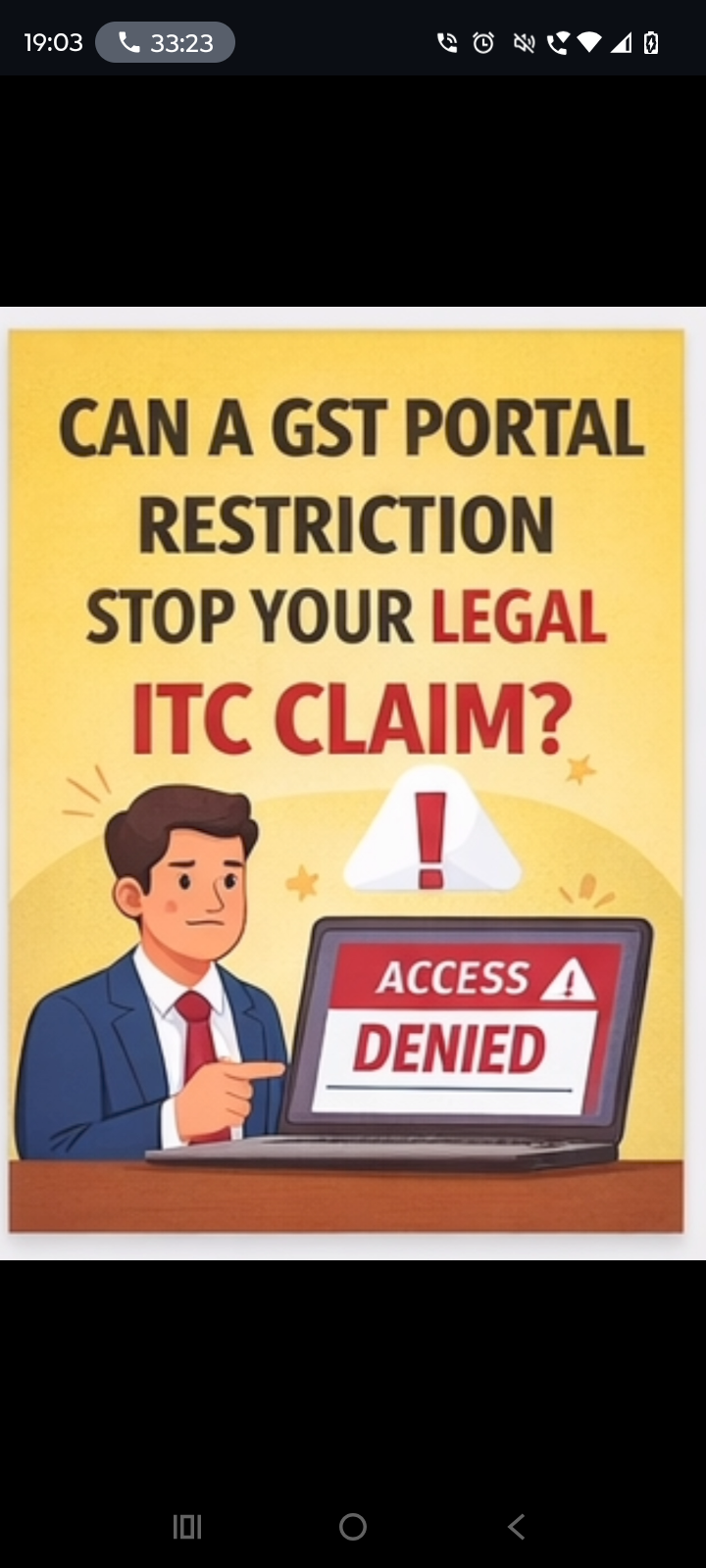
The Gauhati High Court ruled that Input Tax Credit (ITC) cannot be denied to a bona fide purchaser simply because the supplier did not deposit the Goods and Services Tax (GST), unless there is evidence of collusion or non-genuine transactions. This decision came in the case of M/s Narayan Enterprise, which had purchased goods from suppliers in Kolkata during the 2018-19 financial year, paying the invoice value and GST through banking channels. Despite the petitioner's compliance with statutory requirements and the absence of incriminating evidence during a search, the department confirmed a GST demand of ₹22.22 lakh, which was upheld by the appellate authority.
The central issue was whether ITC could be denied to a purchasing dealer solely because the supplier failed to fulfill GST obligations, despite the purchaser completing genuine transactions. The Court referenced its earlier decision in National Plasto Moulding and the Delhi High Court’s ruling in Quest Merchandising India Pvt. Ltd., emphasizing that a purchaser cannot be penalized for a supplier’s failure to deposit collected tax. It would be unreasonable to impose the responsibility of ensuring tax deposit on the purchaser when they have transacted with a registered supplier and received valid tax invoices.
Read More: Gauhati High Court: Single SCN and adjudication order can validly cover multiple financial years, provided the proceedings for each year are initiated and concluded within the limitation period prescribed under CGST Act [Order attached]
The Court clarified that protection is extended only to bona fide purchasers. If evidence of collusion, sham transactions, or lack of genuineness is available, the department may proceed accordingly. The ruling underscores that the department’s remedy should target the defaulting supplier, not the compliant purchaser.
Order - 04 June 2026
Parties: M/s Narayan Enterprise & Anr. Vs Union of India & 2 Others
Facts -
- M/s Narayan Enterprise, a proprietorship firm engaged in business at Silchar, Assam, purchased goods from Kolkata-based suppliers during FY 2018-19 and paid the invoice value along with GST through banking channels.
- The DGGI alleged that the petitioner had availed ITC on invoices without actual receipt of goods and initiated investigation. The petitioner furnished GST returns, purchase invoices, and other supporting documents.
- A search conducted at the petitioner’s premises did not result in recovery of any incriminating material, and the petitioner maintained that goods were genuinely received and payments were made through proper banking channels.
- Despite the petitioner’s explanation, the department confirmed a GST demand of ₹22.22 lakh along with interest and penalty, and the appellate authority subsequently upheld the demand.
Issue -
- Whether ITC can be denied to a purchasing dealer solely because the supplier allegedly failed to discharge GST liability, despite the purchaser having completed genuine transactions and complied with statutory requirements?
Order -
- The Gauhati High Court noted that the issue was already settled by its earlier Division Bench decision in National Plasto Moulding. The Court reiterated that a purchasing dealer cannot be penalized for the default of a selling dealer in depositing tax collected from the purchaser.
- Relying on the Delhi High Court’s ruling in On Quest Merchandising India Pvt. Ltd., the Court observed that a bona fide purchaser cannot be expected to ensure that the supplier deposits tax with the Government. Imposing such an obligation would place an impossible and unreasonable burden on genuine taxpayers.
- The Court emphasized that where a purchaser has transacted with a registered supplier, received valid tax invoices, and complied with statutory requirements, denial of ITC solely due to the supplier’s default is unjustified. In such cases, the department's remedy lies against the defaulting supplier.
- However, the Court clarified that protection is available only to bona fide purchasers. If the department possesses material showing collusion, sham transactions, or lack of genuineness, it is free to initiate proceedings in accordance with law.